
We’re excited to announce that Dr. Jeffrey M. Martinez is now offering Genicular Artery Embolization (GAE)—a groundbreaking, minimally invasive treatment for knee osteoarthritis pain.
Diabetes affects far more than blood sugar. Over time, insulin resistance can contribute to circulation problems, neuropathy, kidney disease, poor wound healing, and an increased risk of peripheral artery disease (PAD) and limb loss.Physiologic Insulin Resensitization® (PIR®) is a physician-directed therapy designed to support insulin sensitivity and glucose metabolism through a controlled insulin delivery protocol.
At Espada Vascular, PIR® is incorporated into a comprehensive vascular and metabolic approach for patients living with diabetes, insulin resistance, neuropathy, circulation concerns, kidney disease, and diabetic wound complications.
By addressing both metabolic and vascular health, we aim to help patients improve overall wellness while supporting long-term limb preservation and circulation.
Insulin resistance occurs when the body’s cells no longer respond efficiently to insulin.
As insulin resistance progresses, blood sugar levels may rise, and the body often produces additional insulin to compensate. Over time, this process can contribute to multiple chronic health conditions.
Insulin resistance can make it harder for glucose to enter cells, where it is needed for energy.
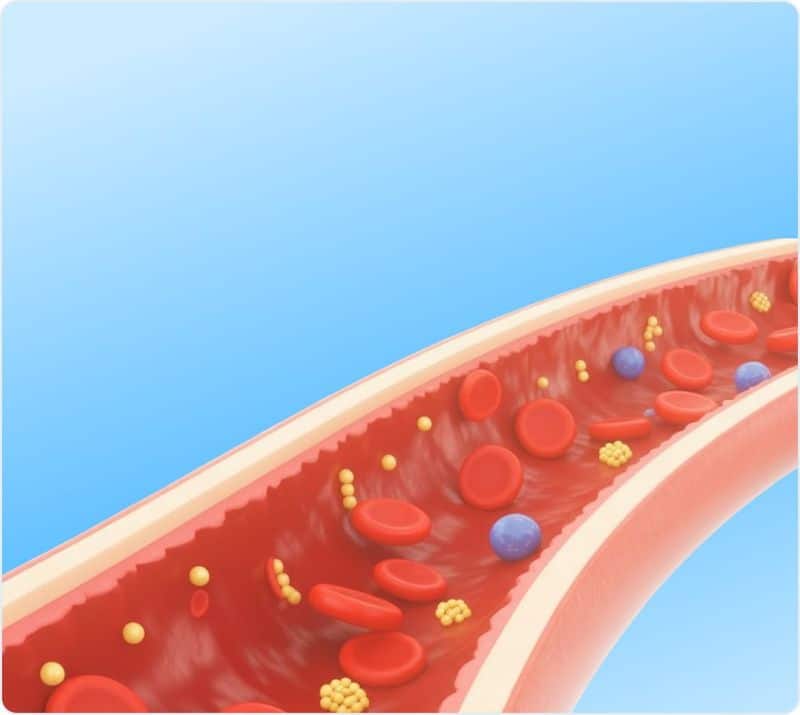
Elevated blood sugar and insulin resistance may contribute to damage to blood vessels and circulation problems throughout the body.
Patients with insulin resistance may face a higher risk of neuropathy, kidney disease, cardiovascular disease, and wound healing complications.
Poor circulation and diabetes-related complications can increase the risk of foot ulcers, infection, and amputation if left untreated.
Diabetes and vascular disease are closely connected.
High blood sugar and insulin resistance can damage blood vessels over time, reducing circulation to the legs and feet. This may increase the risk of peripheral artery disease, diabetic foot wounds, infection, and limb-threatening complications.
At Espada Vascular, we evaluate both the vascular and metabolic factors that may affect healing, circulation, and long-term health outcomes.
Patients with diabetes are at increased risk for narrowing and blockage of the arteries that supply blood flow to the legs and feet.
Reduced circulation may contribute to slow-healing wounds and increase the risk of serious complications.
Early diagnosis and comprehensive management of diabetes-related vascular disease may help reduce the risk of amputation.
Physiologic Insulin Resensitization® (PIR®) is a physician-directed protocol developed by Well Cell Global.
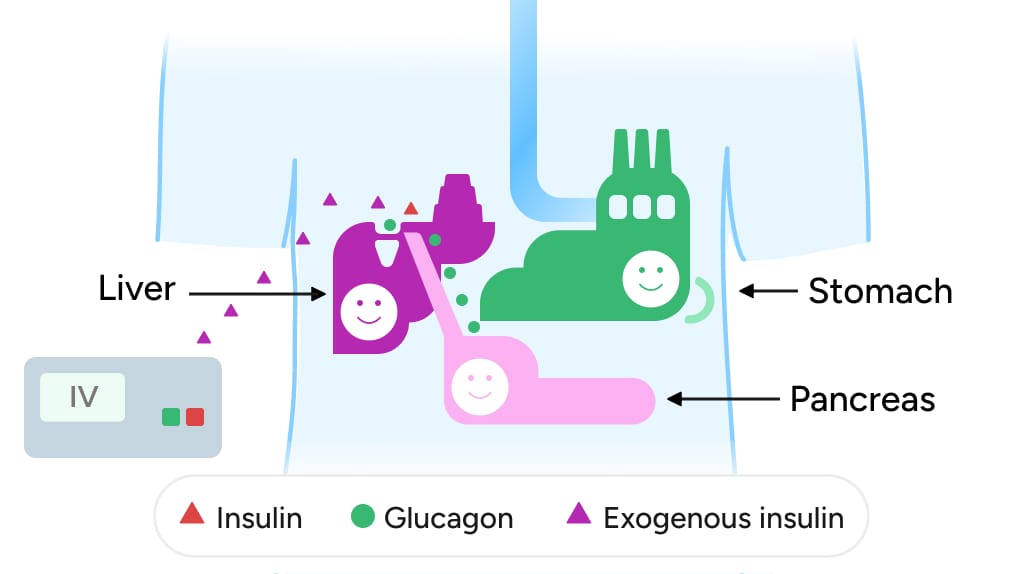
The treatment uses precision infusion equipment to deliver insulin in a controlled physiologic pattern that mimics the body’s natural insulin signaling.
The goal is to support improved insulin sensitivity and glucose metabolism as part of a comprehensive treatment plan.
PIR® is not intended to replace diabetes medications or other prescribed treatments. Instead, it may be considered as one component of an individualized care strategy.
Each patient undergoes a comprehensive medical evaluation before treatment recommendations are made.
Treatment protocols are tailored to each patient's medical history, goals, and overall health status.
All treatments are performed under physician supervision using specialized infusion equipment.
PIR® may be integrated with vascular care, wound management, diabetes management, and lifestyle recommendations.
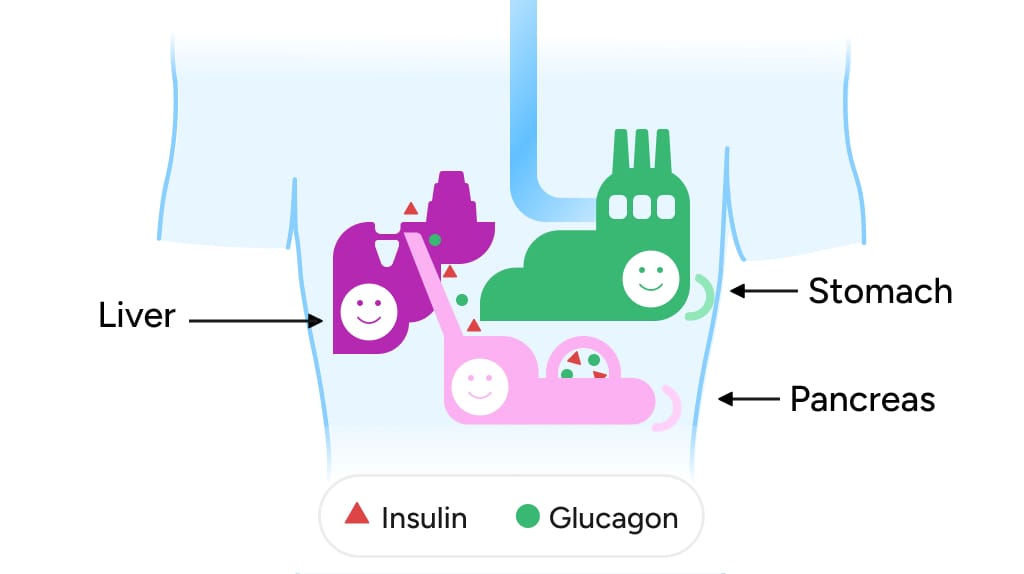
In healthy metabolism, insulin helps glucose move efficiently into cells where it can be converted into energy.
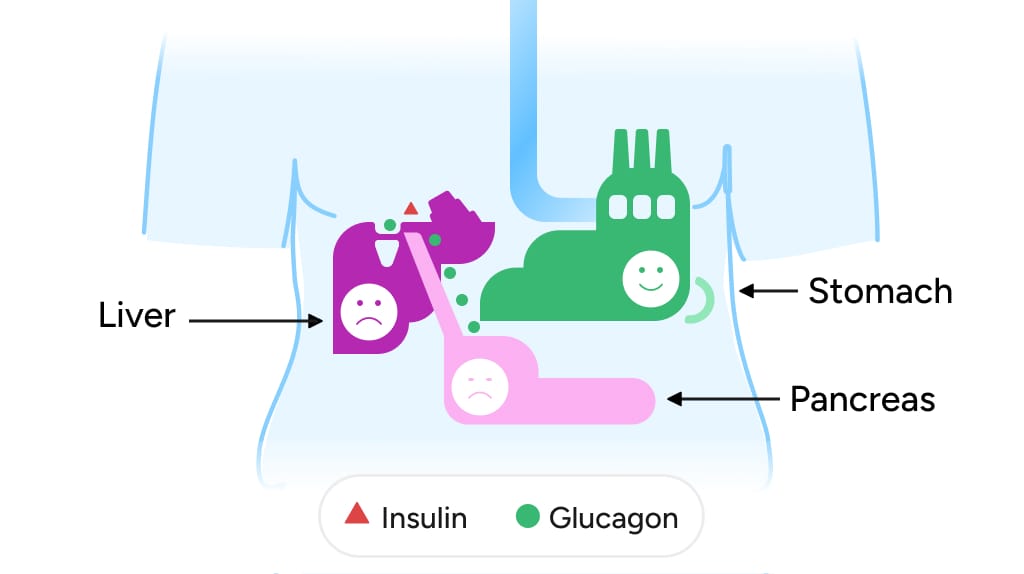
When cells become resistant to insulin, glucose may remain elevated in the bloodstream rather than being utilized effectively by the body.
PIR® is designed to support insulin sensitivity as part of a physician-directed metabolic care plan.
Insulin resistance may contribute to a range of health concerns affecting both metabolic and vascular health.

Insulin resistance is one of the primary metabolic factors associated with Type 2 diabetes and long-term blood sugar management challenges.
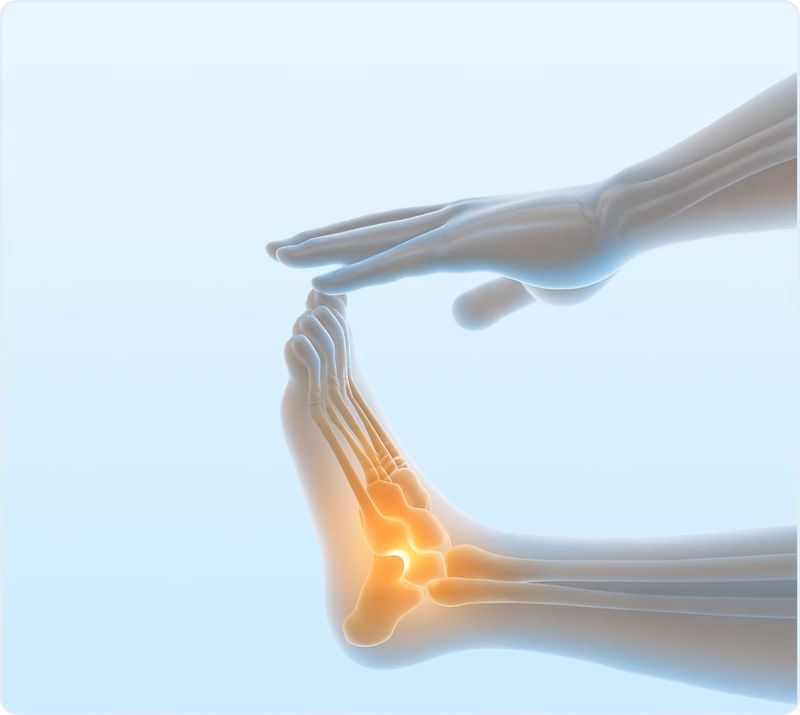
Nerve-related symptoms such as numbness, burning, tingling, or pain may occur in patients with long-standing diabetes and metabolic dysfunction.
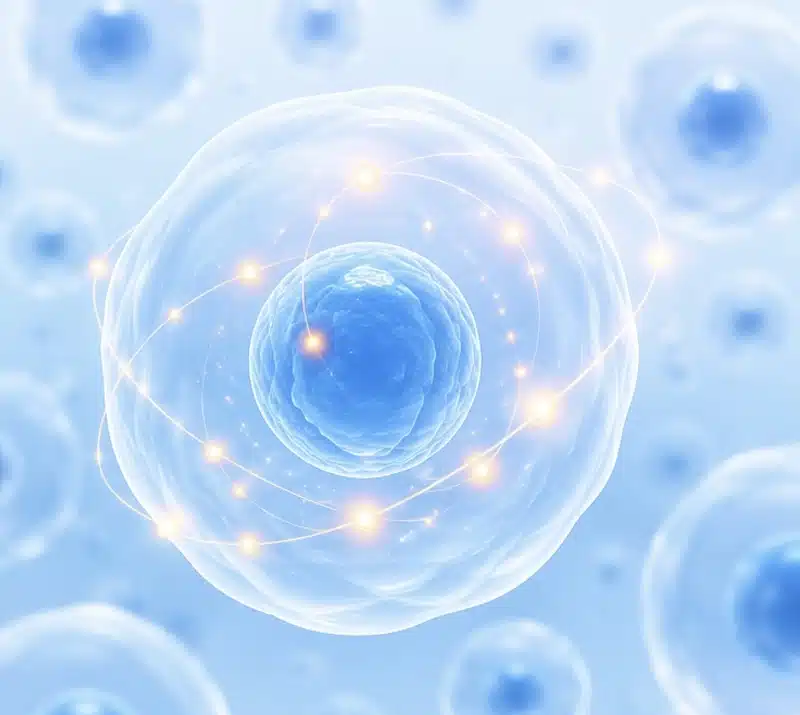
Healthy insulin signaling plays an important role in cellular energy production and metabolic function.
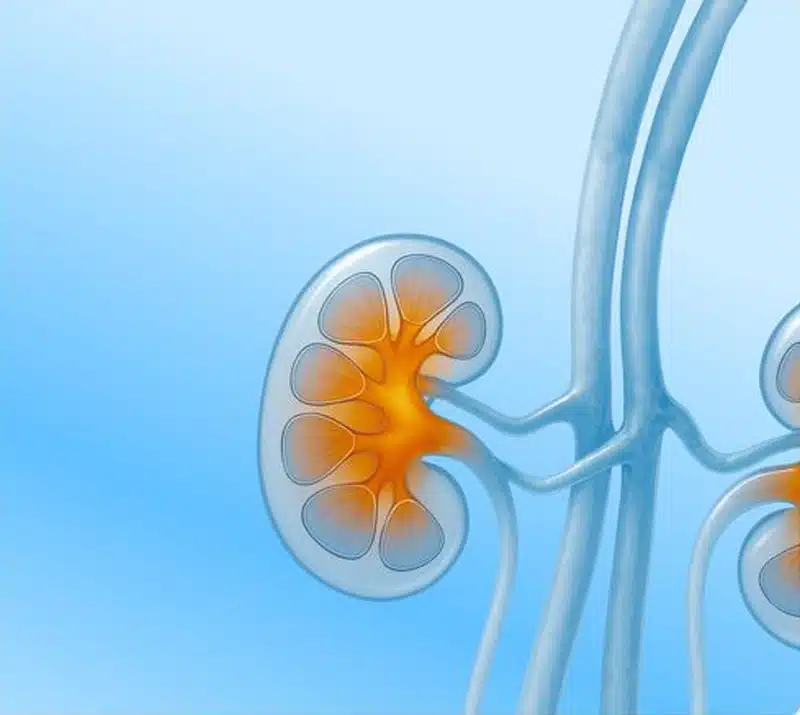
Diabetes and insulin resistance can affect kidney function and may increase the risk of chronic kidney disease.
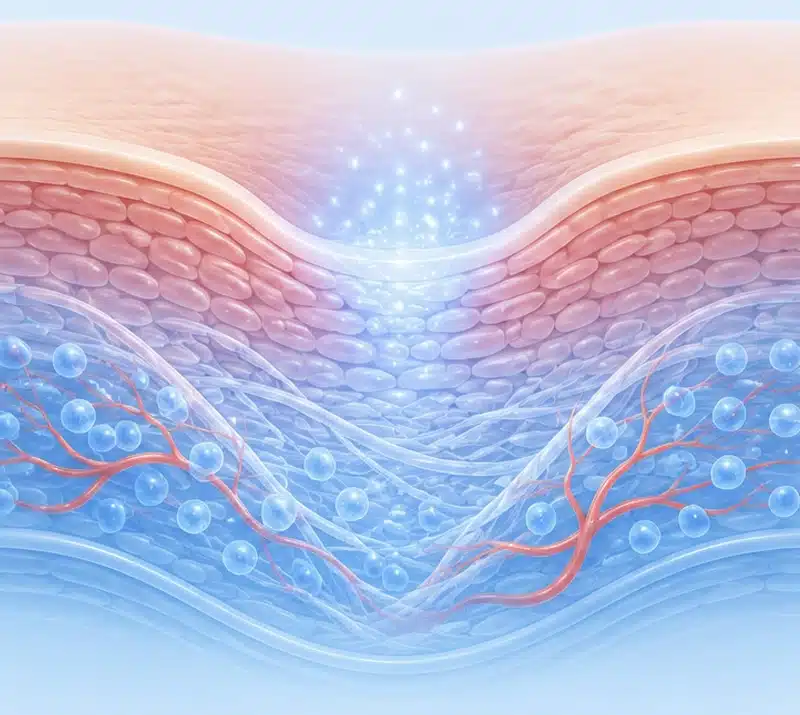
Poor circulation and elevated blood sugar levels may contribute to delayed wound healing and increased risk of infection.

Every patient’s medical history and health status are unique.
Before recommending PIR®, Espada Vascular performs a comprehensive evaluation to determine whether treatment may be appropriate.
We review diabetes history, medications, laboratory values, kidney function, neuropathy symptoms, prior treatments, and vascular health concerns.
When appropriate, additional testing may be performed to evaluate circulation and identify potential vascular disease.
If PIR® is appropriate, an individualized treatment protocol is developed based on the patient's needs.
Progress is monitored over time while coordinating care with other physicians and specialists when necessary.
Our team specializes in peripheral artery disease, limb preservation, diabetic wound management, and circulation disorders.
We evaluate both vascular and metabolic factors that may affect long-term health outcomes.
Every patient receives an individualized care plan based on their medical history and goals.
Our mission is to help patients protect their circulation, preserve mobility, and reduce the risk of serious diabetic complications.
Patients experiencing diabetes-related complications, neuropathy symptoms, circulation problems, chronic wounds, kidney concerns, or insulin resistance may benefit from a consultation.
At Espada Vascular, we evaluate each patient individually to determine whether Physiologic Insulin Resensitization® may be an appropriate part of their treatment plan.