
We’re excited to announce that Dr. Jeffrey M. Martinez is now offering Genicular Artery Embolization (GAE)—a groundbreaking, minimally invasive treatment for knee osteoarthritis pain.
Espada Vascular provides specialized care for Seguin patients with symptoms that may be related to Peripheral Artery Disease, venous disease, varicose veins, or knee osteoarthritis. Jeffrey M. Martinez, MD, is a board-certified vascular surgeon with additional endovascular training. Care begins with an evaluation of symptoms, medical history, and any testing needed to clarify the cause.

Peripheral Artery Disease, or PAD, occurs when narrowed arteries reduce blood flow to the legs. Symptoms can include cramping or fatigue during walking, pain in the feet at rest, color changes, cold feet, or foot and leg ulcers that heal slowly. These symptoms may have other causes, but they should be evaluated if they persist or worsen. The 2024 ACC and AHA PAD guideline addresses symptom patterns, Ankle Brachial Index testing, medical management, exercise, foot and wound care, and revascularization options for lower extremity PAD.
Treatment at Espada Vascular is based on the location and severity of arterial disease, the condition of the leg and foot, and the patient’s overall health. Some patients benefit from medical management and exercise guidance. When appropriate, treatment may include angioplasty, stent placement, atherectomy, or lithotripsy to improve blood flow through narrowed arteries. The goal is to improve flow to relieve symptoms, promote wound healing, and save the limb.
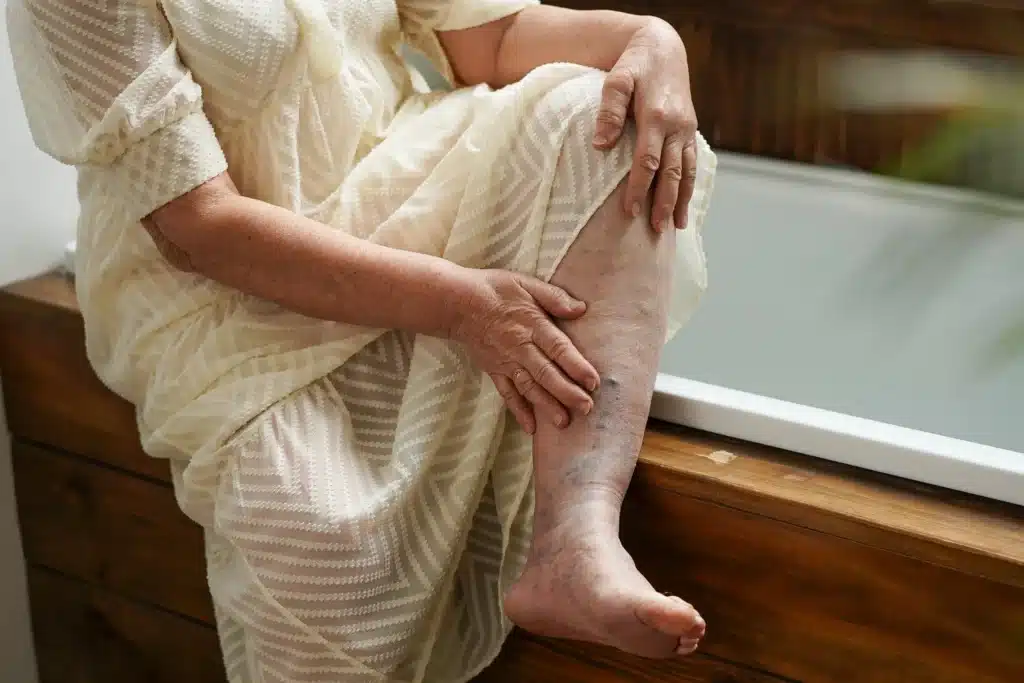
Venous disease affects the veins that return blood to the heart. It may cause swelling, heaviness, aching, skin changes, enlarged veins, or wounds. Espada Vascular evaluates complex venous conditions, including venous insufficiency, varicose veins, deep vein thrombosis, deep vein stenosis, iliac vein compression, May-Thurner Syndrome, and venous ulcers. The Society for Vascular Surgery and American Venous Forum guidelines discuss evidence-based evaluation of lower extremity varicose veins, including duplex ultrasound and care for complications of venous disease.
Care starts with a medical evaluation and appropriate testing to determine whether symptoms are caused by vein disease and what treatment may be appropriate. Espada Vascular provides individualized care for complex venous disease and varicose vein concerns, with treatment planning based on the diagnosis, severity, test results, and medical history.
Espada Vascular does not provide spider vein services. Patients who are seeking treatment specifically for spider veins can contact us for recommendations regarding providers.
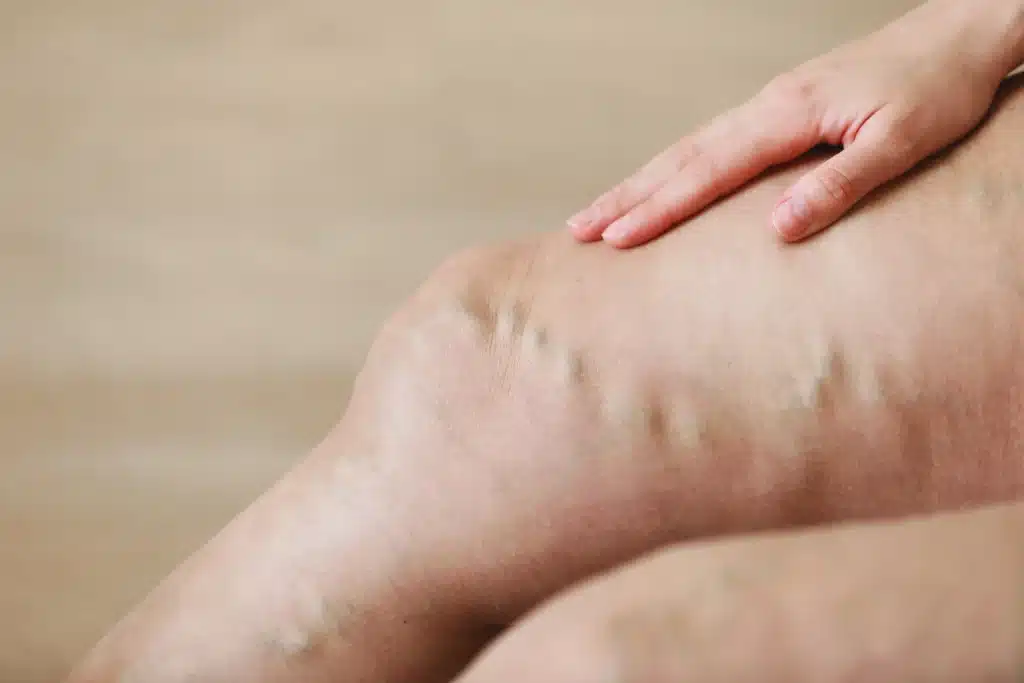
Knee osteoarthritis can cause pain, stiffness, swelling, and reduced mobility. Espada Vascular offers Genicular Artery Embolization, or GAE, as a minimally invasive option for appropriately selected patients with knee osteoarthritis. GAE is an emerging treatment, and candidacy should be determined after a clinical evaluation. The Society of Interventional Radiology guidelines include GAE as a treatment option. A more recent technical review notes that patient selection and long-term outcomes remain important considerations.
GAE uses image guidance and a small catheter to reach arteries around the knee. Tiny particles are placed to reduce blood flow associated with inflammation around the joint. The procedure may be considered for people with a confirmed osteoarthritis diagnosis and symptoms that continue despite conservative care. An evaluation helps determine whether GAE, orthopedic care, physical therapy, medication, or another approach is most appropriate.
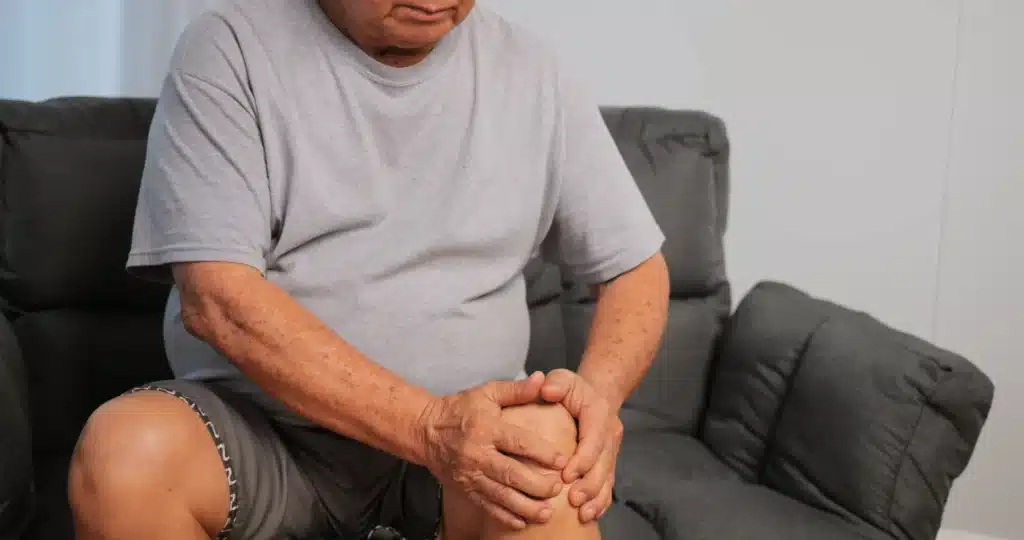
Vascular testing can help determine whether leg symptoms may be related to reduced arterial blood flow or a vein condition. Vascular ultrasound is a noninvasive test that assesses blood flow through the arteries and veins from the abdomen to the feet.
Angiography may be used when more detailed imaging is needed to guide treatment planning.
Testing is selected according to the symptom pattern and clinical concern. We review results alongside the physical examination, medical history, and treatment goals. This helps determine whether vascular treatment is needed and which approach may fit the patient’s condition.
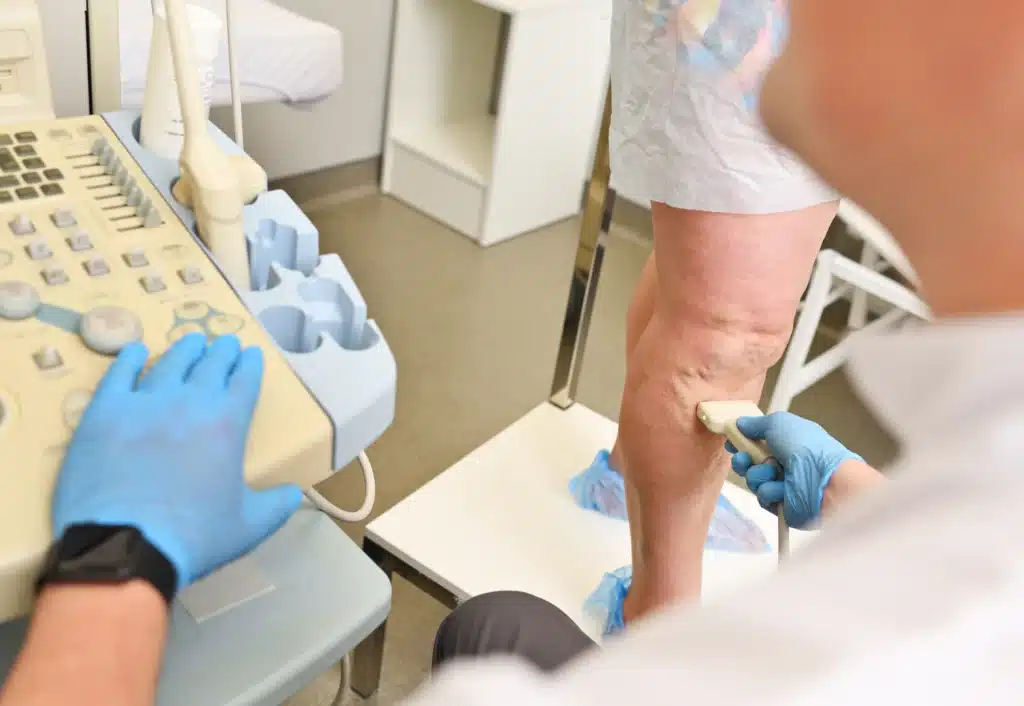
Unlike a traditional hospital system, our outpatient vascular center focuses on focused evaluation, clear treatment planning, and patient comfort, with professional staff experienced in caring for vascular disease. When outpatient care is clinically appropriate, minimally invasive techniques may allow patients to receive specialized vascular treatment without a hospital admission.
At Espada Vascular, this approach may help patients:
Hospital-based care remains important when a patient needs emergency treatment, inpatient monitoring, or resources best provided in a hospital. The right setting depends on the condition being treated and the individual care plan.

Dr. Jeffrey M. Martinez is a board-certified vascular surgeon with additional endovascular training. His background includes medical school and general surgery residency at the University of Texas Health Science Center at San Antonio, a vascular fellowship at the University of Tennessee Medical Center in Memphis, and practice in San Antonio since 2001. Dr. Martinez is also a US Navy veteran. His experience includes complex lower extremity arterial and venous disease and consideration of both minimally invasive and open treatment options when appropriate.
Patients deserve clear communication, thoughtful evaluation, and an opportunity to understand their care options. Read feedback from current patients on the Espada Vascular reviews page. Individual experiences differ, and testimonials do not predict results for another patient.
PAD may cause leg cramping or fatigue during activity, pain at rest, wounds that are slow to heal, color changes, or a cold foot. The ACC and AHA guideline covers these symptom presentations and the role of diagnostic testing in lower extremity PAD.
Diagnosis starts with symptoms, medical history, and an examination. Ankle-brachial index testing, vascular ultrasound, or angiography may be used when appropriate. The 2024 PAD guideline includes ankle-brachial index testing among the diagnostic topics it addresses.
Treatment may include medical management, exercise guidance, foot and wound care, or a revascularization procedure when clinically appropriate. The choice depends on disease severity and location, symptoms, and the condition of the limb. The PAD guideline addresses both medical and revascularization care.
Varicose veins may cause heaviness, swelling, aching, skin changes, or other symptoms of chronic venous disease. A clinical evaluation can help determine whether symptoms are related to vein disease or another cause. The Society for Vascular Surgery guideline reviews evaluation and treatment of lower extremity varicose veins.
No. Espada Vascular does not treat spider veins. The practice focuses on complex venous disease and varicose vein concerns. Please contact us for provider recommendations.
GAE is a minimally invasive procedure used for selected patients with knee osteoarthritis. It uses a catheter to place tiny particles in targeted arteries around the knee. The GAE systematic review characterizes it as a novel treatment option and notes that the available evidence is limited.
People with a confirmed knee osteoarthritis diagnosis and symptoms that continue despite conservative care may be considered for evaluation. Candidacy depends on symptoms, imaging, medical history, and clinical judgment. The GAE technical review discusses patient selection and the need to monitor outcomes.
Testing may include an Ankle Brachial Index, vascular ultrasound, or angiography. The type of testing depends on the symptoms and the information needed to guide care. The ACC and AHA PAD guideline includes these diagnostic topics in its evidence review.
Evaluate a wound that is slow to heal promptly, especially if it is accompanied by pain, color changes, numbness, coolness, or other signs of reduced circulation. The wound needs evaluation if it is not healing within one month or in diabetics without making improvement. The PAD guideline addresses lower extremity wounds and foot care in PAD.
Seguin patients with circulation concerns, persistent venous symptoms, varicose vein concerns, wounds that are slow to heal, or knee osteoarthritis can request an appointment to discuss whether an evaluation is appropriate.
