September Is PAD Awareness Month:Know the Signs and Protect Your Circulation
September is Peripheral Artery Disease Awareness Month—a timely reminder to pay attention to leg pain, slow-healing foot wounds, and other possible signs of poor circulation.
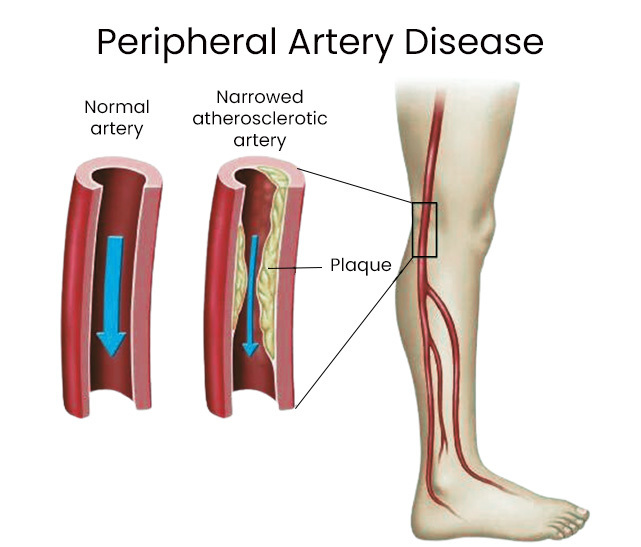
Peripheral artery disease, commonly called PAD, develops when narrowed or blocked arteries reduce blood flow to the limbs, most often the legs and feet. Plaque buildup in the arteries is the primary cause. Without proper care, PAD can affect mobility, interfere with wound healing, and increase the risk of serious cardiovascular complications. In the most advanced forms of tissue loss known as critical limb ischemia there is a 50% mortality rate in 5 years. That mortality rate is higher than all forms of cancer except lung cancer. It’s important to identify PAD early before ulcerations so that the risk factors can be modified and prevent mortality.
At Espada Vascular, Dr. Jeffrey M. Martinez and his dedicated vascular team help patients throughout San Antonio and South Texas identify PAD and find an appropriate treatment plan.
PAD Can Be Easy to Miss
One of the challenges of PAD is that its symptoms are not always obvious. According to the Centers for Disease Control and Prevention, as many as four in 10 people with PAD do not experience leg pain.
When symptoms do occur, people may mistake them for arthritis, muscle strain, aging, or nerve problems. Warning signs may include:
- Sores on the legs, feet, or toes that heal slowly or do not heal
- Foot or toe pain while resting, especially in more advanced cases
- Pain, aching, heaviness, or cramping in the buttock, hip, thigh, or calf while walking
- Leg discomfort that improves after resting
- Weakness or numbness in a leg
- One foot or leg feeling colder than the other
- Smooth, shiny, pale, or discolored skin
- Loss of hair on the legs or feet
- Weak or absent pulses in the feet
- Cold or numb toes
Experiencing one of these symptoms does not necessarily mean that you have PAD. However, persistent or recurring symptoms deserve medical attention—especially when you also have risk factors for vascular disease.
Who Is at Risk for PAD?
PAD becomes more common with age, but it is not simply a normal part of getting older. Important risk factors include:
- Current or previous tobacco use
- Diabetes
- High blood pressure
- High cholesterol
- A personal or family history of cardiovascular disease
- Chronic kidney disease or dialysis and move to the number 3 spot
- Being over age 60
People who smoke or have diabetes face a particularly high risk of PAD and its complications. Even if you do not have noticeable symptoms, talk with a healthcare professional if you have several risk factors.
Watch Dr. Jeffrey Martinez Discuss PAD on KENS 5’s Great Day SA
Dr. Jeffrey M. Martinez appeared on KENS 5’s Great Day SA to discuss peripheral artery disease, poor circulation, and the importance of recognizing vascular warning signs. Watch the segment below to learn why early evaluation matters.
WATCH THE KENS 5 INTERVIEW
How Espada Vascular Evaluates PAD
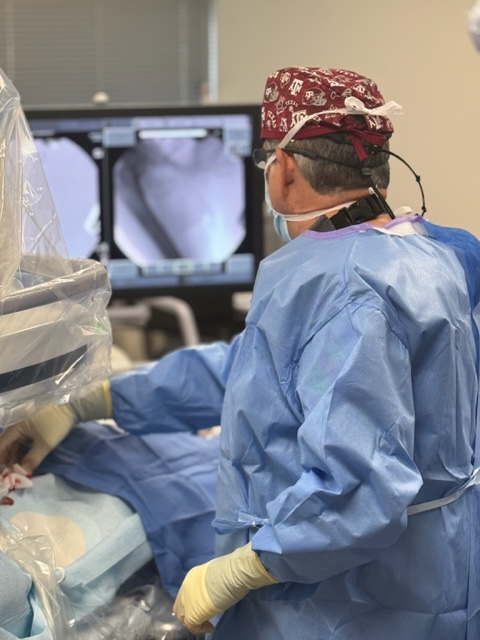
PAD evaluation begins with a conversation about your symptoms and risk factors. We will also perform a medical history and examination. Dr. Martinez may also examine your legs and feet, check pulses, and look for skin changes or signs of slow-healing wounds.
Depending on your needs, testing may include:
- Ankle-brachial index: A noninvasive test that compares blood pressure in the ankle with blood pressure in the arm
- Vascular ultrasound: Uses sound waves to evaluate blood flow and locate narrowed or blocked arteries
- Blood tests: May help identify related concerns such as high cholesterol, elevated triglycerides, or diabetes
- Angiography: Produces detailed images of the arteries when additional information is needed
The National Heart, Lung, and Blood Institute notes that the ankle-brachial index is commonly the first test used to diagnose PAD.
Personalized PAD Treatment in San Antonio
PAD treatment depends on the blockage’s location and severity, the patient’s symptoms, and overall health. The goals are improving circulation to save the limb, heal the wound, relieve symptoms, preserving mobility, and reducing the risk of complications.
A personalized treatment plan may involve:
Lifestyle and Risk-Factor Management
Quitting smoking, managing diabetes, controlling blood pressure and cholesterol, following a heart-healthy diet, and participating in an appropriate walking or exercise program can all play important roles in PAD care. Patients should speak with their healthcare provider before beginning a new exercise program.
Medication Management
A healthcare provider may recommend medication to control cholesterol or blood pressure, reduce clotting risk, or treat other conditions that contribute to vascular disease. Start, change, or stop medications only under medical guidance.
Minimally Invasive Procedures
When a narrowed or blocked artery significantly limits blood flow, doctors may use angioplasty to open the artery with a small balloon. In some cases, a stent is placed to help keep the artery open.
Bypass Surgery
For certain complex or severe blockages, bypass surgery may be recommended to create a new route for blood to travel around the affected artery.
Because Dr. Martinez is trained in both minimally invasive endovascular procedures and traditional open vascular surgery, he can evaluate the available approaches and recommend care based on each patient’s condition.
Experienced Vascular Care from Dr. Jeffrey M. Martinez
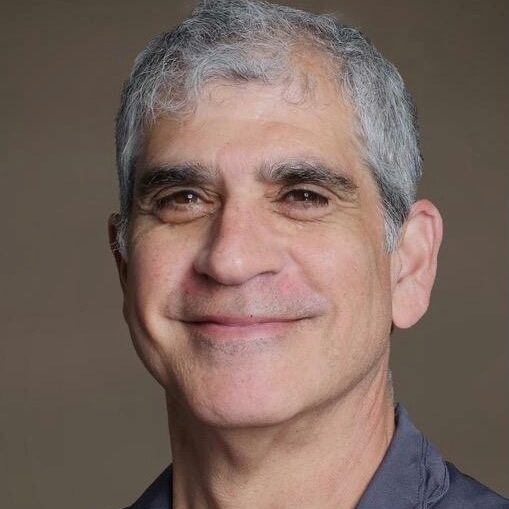
Dr. Jeffrey M. Martinez is a board-certified vascular surgeon with additional training in endovascular surgery. A San Antonio native, he completed medical school and general surgery residency at the University of Texas Health Science Center at San Antonio, followed by a vascular fellowship at the University of Tennessee Medical Center in Memphis.
Martinez also served eight years on active duty in the United States Navy, including service as Chief of Vascular Surgery at Naval Medical Center Portsmouth. Since returning to San Antonio in 2001, he has treated complex lower-extremity vascular disease and served as a lead investigator in clinical trials involving PAD.
At Espada Vascular, Dr. Martinez and his team provide individualized evaluation and treatment, emphasizing circulation, mobility, and quality of life.
Do Not Ignore Changes in Your Legs or Feet
PAD Awareness Month is a good opportunity to check in with your vascular health. If a wound on your foot is not healing, walking causes recurring leg pain, one foot feels unusually cold, consider scheduling an evaluation.
Important: A sudden loss of feeling or movement in a foot, particularly when the foot becomes pale, blue, or colder than the other foot, can signal a medical emergency. Call 911 or seek emergency care immediately.
Schedule a PAD Evaluation
If you are concerned about leg pain, poor circulation, or a slow-healing wound, contact Espada Vascular to discuss a PAD evaluation.
